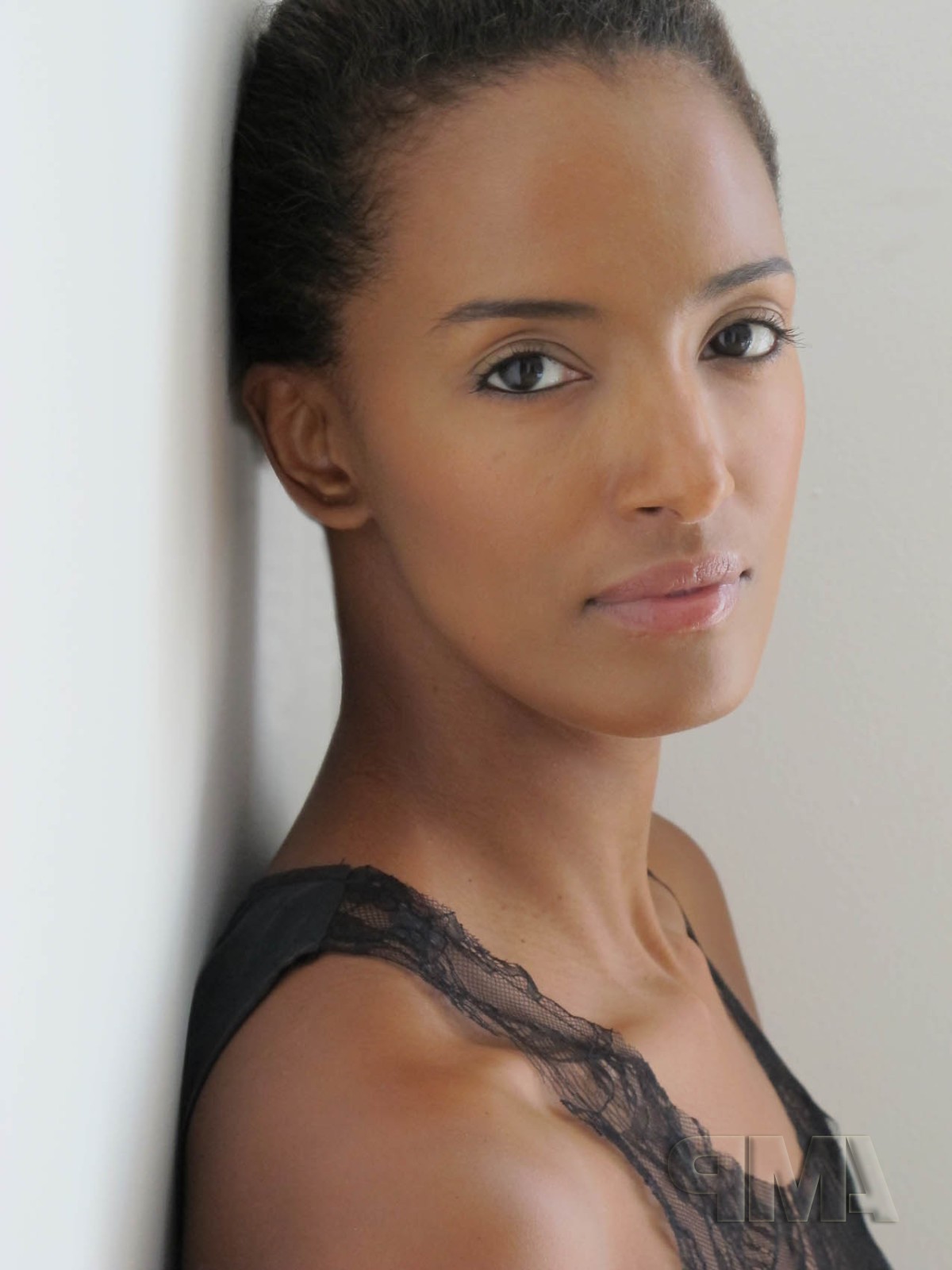
Dive Into The Alluring World Of Female Models: Discoveries And Insights
Female models are individuals who pose for photographs, paintings, or other works of art. They are typically hired by photographers, artists, and fashion designers to help them create their desired visual outcome. Female models may also work in the fashion industry, appearing in runway shows and print advertisements.
Female models have been an important part of the art world for centuries. They have been featured in paintings, sculptures, and other works of art by some of the most famous artists in history. In recent years, female models have also become increasingly prominent in the fashion industry. They are now seen as essential to the success of fashion shows and advertising campaigns.
There are many benefits to using female models in art and fashion. Female models can help artists and designers to create a more realistic and appealing representation of the human form. They can also help to convey a particular mood or emotion in a work of art. In the fashion industry, female models can help to showcase the latest trends and styles. They can also help to create a sense of aspiration and desire in consumers.
Female models
Female models play a crucial role in the art and fashion industries, embodying various dimensions and contributing to the cultural landscape. Here are eight key aspects that highlight their significance:
- Representation: Female models represent diverse body types, ethnicities, and perspectives, contributing to a more inclusive and realistic portrayal of beauty.
- Inspiration: They inspire artists, designers, and consumers alike, serving as muses for creative expression and style trends.
- Objectification: The industry's objectification of female models raises concerns about body image and the commodification of women.
- Empowerment: For some models, the profession provides a platform for self-expression, financial independence, and social impact.
- Cultural icons: Iconic female models transcend their industry, becoming cultural symbols and role models for generations.
- Fashion industry: They drive the global fashion industry, showcasing new designs and influencing consumer choices.
- Historical significance: Female models have a rich history, dating back to classical art and evolving alongside cultural and societal changes.
- Diversity: The industry is continuously striving for greater diversity and representation, embracing models from all backgrounds and walks of life.
These aspects highlight the multifaceted nature of female models. They are not merely mannequins but individuals who contribute to art, fashion, culture, and society. Their impact extends beyond the pages of magazines and runways, shaping perceptions of beauty, empowerment, and representation.
Representation
In the world of modeling, representation goes beyond physical attributes to encompass a broader spectrum of diversity. Female models today represent a wide range of body types, ethnicities, and perspectives, contributing to a more inclusive and realistic portrayal of beauty.
- Diversity in body types: Female models now come in all shapes and sizes, breaking down traditional beauty standards and promoting body positivity. They represent the diverse range of body types found in society, empowering individuals to embrace their unique physical attributes.
- Ethnic diversity: The modeling industry has made significant strides in showcasing models from diverse ethnic backgrounds. This representation challenges narrow beauty ideals and promotes a more inclusive view of beauty that embraces different cultures and heritages.
- Diverse perspectives: Female models are increasingly using their platforms to advocate for social and environmental issues. They are not just models but also activists, entrepreneurs, and role models, representing a diverse range of perspectives and inspiring others to make a positive impact on the world.
This expanded representation in the modeling industry has significant implications. It helps to reshape societal perceptions of beauty, promoting a more inclusive and realistic view that celebrates diversity. By representing diverse body types, ethnicities, and perspectives, female models are creating a more equitable and representative world.
Inspiration
The connection between female models and inspiration runs deep. Female models have long been muses for artists and designers, inspiring countless works of art and shaping fashion trends. They embody the human form and serve as living canvases upon which creativity can flourish.
- Artistic inspiration: Female models have been a source of inspiration for artists throughout history. Their poses, expressions, and features have been captured in countless paintings, sculptures, and other works of art. From classical masterpieces to contemporary photography, female models have played a vital role in shaping the way we see the human form.
- Fashion inspiration: Female models are also major influencers in the fashion industry. They showcase the latest trends and styles, inspiring consumers around the world. Their runway walks, magazine covers, and social media posts set the tone for what's hot and what's not. Female models help to create desire and aspiration, driving the global fashion industry.
- Cultural inspiration: Beyond art and fashion, female models have also become cultural icons. They represent the ideals of beauty and femininity, and their images are often used to sell everything from cosmetics to cars. Female models have the power to influence our perceptions of beauty, gender, and identity.
- Personal inspiration: Female models can also be a source of personal inspiration. They can show us what is possible, regardless of our body type or background. They can inspire us to be more confident and to embrace our own unique beauty.
The inspiration that female models provide is undeniable. They are muses for artists, designers, and consumers alike. They shape our perceptions of beauty, fashion, and culture. And they can inspire us to be more confident and to embrace our own unique beauty.
Objectification
The fashion and entertainment industries rely heavily on the visual appeal of female models. However, this focus on appearance can lead to the objectification of women, reinforcing unrealistic beauty standards and contributing to negative body image.
- Sexualization: Female models are often portrayed in a sexualized manner, which can perpetuate the idea that women's primary value lies in their physical appearance. This can be harmful to women's self-esteem and can lead to objectification and sexual harassment.
- Commodification: The fashion industry commodifies female models, treating them as products to be bought and sold. This can lead to models feeling dehumanized and can contribute to a culture of disposability.
- Unrealistic beauty standards: The fashion industry often promotes unrealistic beauty standards, which can lead to body dissatisfaction and eating disorders. Female models are often pressured to conform to these standards, which can have a negative impact on their mental and physical health.
- Limited representation: The fashion industry has a history of excluding models who do not conform to traditional standards of beauty. This lack of diversity can contribute to the objectification of women and can make it difficult for women to see themselves represented in the media.
The objectification of female models is a serious problem with far-reaching consequences. It can damage women's self-esteem, contribute to eating disorders, and perpetuate unrealistic beauty standards. It is important to challenge the objectification of women in the fashion industry and to promote a more inclusive and diverse representation of beauty.
Empowerment
The modeling profession can be a source of empowerment for women, providing them with a platform for self-expression, financial independence, and social impact.
- Self-expression: Modeling can be a creative outlet for women, allowing them to express their individuality and challenge societal norms. Through their work, models can convey messages about body positivity, diversity, and self-acceptance.
- Financial independence: Modeling can be a lucrative career, providing women with financial independence and the ability to support themselves and their families. This financial empowerment can give models a sense of control over their lives and choices.
- Social impact: Models can use their platform to raise awareness about important social issues, such as body image, mental health, and diversity. By speaking out and sharing their stories, models can inspire others and make a positive impact on the world.
There are many examples of female models who have used their platform for empowerment. Ashley Graham, for example, is a plus-size model who has spoken out about body positivity and the importance of self-acceptance. Halima Aden is a Somali-American model who wears a hijab and has used her platform to challenge stereotypes about Muslim women. These are just a few examples of the many female models who are using their voices to make a difference in the world.
The empowerment of female models is an important issue, as it can have a positive impact on women's self-esteem, financial security, and social status. By providing women with a platform for self-expression, financial independence, and social impact, the modeling profession can be a powerful force for good.
Cultural icons
Iconic female models have a profound impact on culture and society. They transcend the fashion industry, becoming cultural symbols and role models for generations. Their influence extends far beyond the pages of magazines and runways, shaping perceptions of beauty, empowerment, and success.
Cultural icons are often admired for their beauty, but their influence goes much deeper. They represent the aspirations and values of their time. They can challenge societal norms, promote diversity, and inspire others to pursue their dreams. For example, model and activist Naomi Campbell has used her platform to speak out against racism and to promote diversity in the fashion industry.
The cultural impact of iconic female models is undeniable. They are featured in movies, television shows, and music videos. Their images are used in advertising and marketing campaigns. They are the subject of books, articles, and documentaries. Their influence can be seen in the way that people dress, speak, and think about themselves.
The practical significance of understanding the connection between cultural icons and female models is that it helps us to see the power and influence of the fashion industry. It also helps us to understand the importance of representation and diversity in the media. By celebrating the achievements of iconic female models, we can inspire others to pursue their dreams and to make a positive impact on the world.
Fashion industry
Female models play a crucial role in driving the global fashion industry, showcasing new designs, and influencing consumer choices. Their presence on runways, in print advertisements, and on social media platforms shapes fashion trends and influences purchasing decisions.
- Runway models: Female models bring designs to life on the runway, embodying the vision of designers and captivating audiences. Their poses, expressions, and movements highlight the unique features and details of each garment, creating a lasting impression on viewers.
- Print models: Female models grace the pages of fashion magazines and other print publications, showcasing clothing and accessories in editorial spreads and advertisements. Their carefully curated poses and expressions convey the mood and message of the brand or designer, influencing readers' perceptions and inspiring.
- Social media models: The rise of social media has given rise to a new generation of female models who use their platforms to connect with followers, share their personal style, and promote fashion brands. Their authenticity and relatability make them trusted sources of fashion inspiration, influencing the choices of consumers.
- Brand ambassadors: Female models often serve as brand ambassadors, representing the values and aesthetics of fashion houses. They embody the brand's identity through their public appearances, social media presence, and personal style, creating a strong association between the model and the brand in the minds of consumers.
The connection between female models and the fashion industry is mutually beneficial. Models provide a tangible representation of fashion designs, while the industry offers a platform for models to showcase their talent and creativity. Together, they drive the fashion industry forward, shaping trends and influencing consumer choices worldwide.
Historical significance
The historical significance of female models is deeply intertwined with the evolution of art, fashion, and societal norms. Throughout history, female models have played a pivotal role in shaping perceptions of beauty, femininity, and cultural ideals.
- Origins in classical art: Female models have been depicted in art since the dawn of human civilization. From the Venus of Willendorf to the sculptures of ancient Greece, female models have served as muses, embodying cultural ideals of beauty and fertility.
- Renaissance and beyond: During the Renaissance, female models became central to the development of Western art. Artists such as Leonardo da Vinci and Michelangelo used female models to study human anatomy and create realistic and expressive works of art.
- Fashion and photography: The rise of fashion photography in the 19th century marked a new era for female models. Models became essential for showcasing the latest fashion trends and shaping public perception of beauty and style.
- Modern era: In the 20th and 21st centuries, female models have continued to play a significant role in art, fashion, and popular culture. They have challenged traditional beauty standards, promoted diversity, and used their platforms to raise awareness about social issues.
The historical significance of female models lies in their ability to reflect and shape cultural values and aesthetics. By embodying the ideals of their time, female models have influenced our understanding of beauty, fashion, and the role of women in society.
Diversity
The fashion industry has long been criticized for its lack of diversity, with models of color, plus-size models, and models with disabilities being underrepresented on runways and in fashion magazines. In recent years, however, there has been a growing movement towards greater diversity and representation in the industry. This is due in part to the increasing demand from consumers for more inclusive representation in the media, as well as the growing influence of social media, which has given a voice to models from all backgrounds.
The benefits of diversity in the modeling industry are numerous. Greater diversity leads to a more accurate representation of the population, which can help to challenge stereotypes and promote positive body image. It can also help to boost sales, as consumers are more likely to purchase products that are modeled by people who look like them.
There are a number of ways that the fashion industry can continue to improve its diversity. One important step is to increase the number of models of color, plus-size models, and models with disabilities who are represented in fashion magazines and on runways. Another important step is to create a more inclusive environment for models from all backgrounds, so that they feel comfortable and respected on set.
The increased diversity in the modeling industry is a positive step towards a more inclusive and representative fashion industry. By embracing models from all backgrounds and walks of life, the industry can better reflect the diversity of the population and promote positive body image.
FAQs on Female Models
This section addresses frequently asked questions about female models, providing informative answers to clear up common misconceptions and concerns.
Question 1: What are the different types of female models?
Female models can be classified into various types based on their specialization. Some common types include runway models, print models, commercial models, and fitness models. Each type has its unique requirements and focuses on different aspects of modeling.
Question 2: What are the physical requirements for female models?
While there is no strict set of physical requirements, female models typically possess certain physical attributes. These may include a tall and slender build, symmetrical features, clear skin, and good posture. However, the industry is becoming more inclusive, and models of diverse body types and ethnicities are gaining recognition.
Question 3: What are the challenges faced by female models?
Female models may encounter various challenges throughout their careers. These can include objectification, unrealistic beauty standards, intense competition, and pressure to maintain a certain image. Additionally, models may face issues related to body image, eating disorders, and mental health.
Question 4: How can I become a female model?
Aspiring female models can consider joining a modeling agency, submitting portfolios to casting directors, and networking within the industry. It's important to develop a strong portfolio, maintain a professional demeanor, and be prepared for auditions and rejections.
Question 5: Are there any ethical concerns related to female models?
The fashion industry has faced criticism regarding the objectification and sexualization of female models. Additionally, concerns have been raised about the unrealistic beauty standards promoted by the industry, which can negatively impact body image and self-esteem.
Question 6: How is the female modeling industry evolving?
The female modeling industry is undergoing a shift towards greater diversity and inclusivity. Models of different body types, ethnicities, and backgrounds are gaining recognition, challenging traditional beauty standards and promoting a more realistic representation of society.
In summary, female models represent a diverse and multifaceted industry with its own unique challenges and rewards. By understanding the different types of models, the physical requirements, and the ethical concerns involved, we can gain a more comprehensive view of the female modeling profession.
Transition to the next article section:
Tips for Female Models
To succeed in the competitive world of female modeling, it's essential to adhere to professional standards and adopt effective strategies. Here are six valuable tips to help female models elevate their careers:
Tip 1: Develop a Strong PortfolioA well-curated portfolio is the cornerstone of a successful modeling career. Invest time in creating a portfolio that showcases your best work and versatility. Include high-quality images captured by reputable photographers.
Tip 2: Network and Build RelationshipsNetworking is crucial for expanding your reach and gaining recognition. Attend industry events, connect with photographers, stylists, and casting directors, and maintain a positive and professional demeanor.
Tip 3: Stay Updated on Industry TrendsThe fashion industry is constantly evolving. Keep up with the latest trends, emerging designers, and industry news to stay relevant and adaptable. This knowledge will enhance your credibility and make you a more desirable choice for clients.
Tip 4: Maintain a Healthy Lifestyle and AppearanceAs a female model, your physical appearance is your business card. Prioritize a healthy diet, exercise regularly, and maintain a consistent skincare regimen. A healthy lifestyle will not only enhance your physical well-being but also radiate on camera, making you more captivating to clients.
Tip 5: Seek Professional GuidanceConsider seeking guidance from an experienced modeling agent or mentor. They can provide invaluable advice, help you navigate the industry, and connect you with potential opportunities.
Tip 6: Stay True to YourselfWhile it's important to adapt to industry standards, never compromise your individuality. Embrace your unique qualities and present a genuine and authentic image. Clients are drawn to models who are confident and comfortable in their own skin.
By incorporating these tips into your modeling journey, you can increase your chances of success and establish a fulfilling career in the female modeling industry.
Conclusion
Female models play a multifaceted and significant role in art, fashion, and culture. They represent diverse perspectives, inspire creativity, and drive the global fashion industry. While the industry has faced criticism for its objectification of models and unrealistic beauty standards, it is undergoing a positive shift towards greater diversity and representation.
As we continue to appreciate the contributions of female models, it is important to recognize the importance of ethical practices and inclusive standards. By embracing individuality, promoting body positivity, and challenging societal norms, we can create a more equitable and empowering environment for female models and the industry as a whole.
Unlock Culinary Secrets: Discover The Art Of Nigerian Stew
Unveiling The Secrets: Adam No Jumper's Net Worth And Financial Journey
Unraveling The Secrets Of Nichol Kessinger's Witness Protection